
The 5 Domain Categories
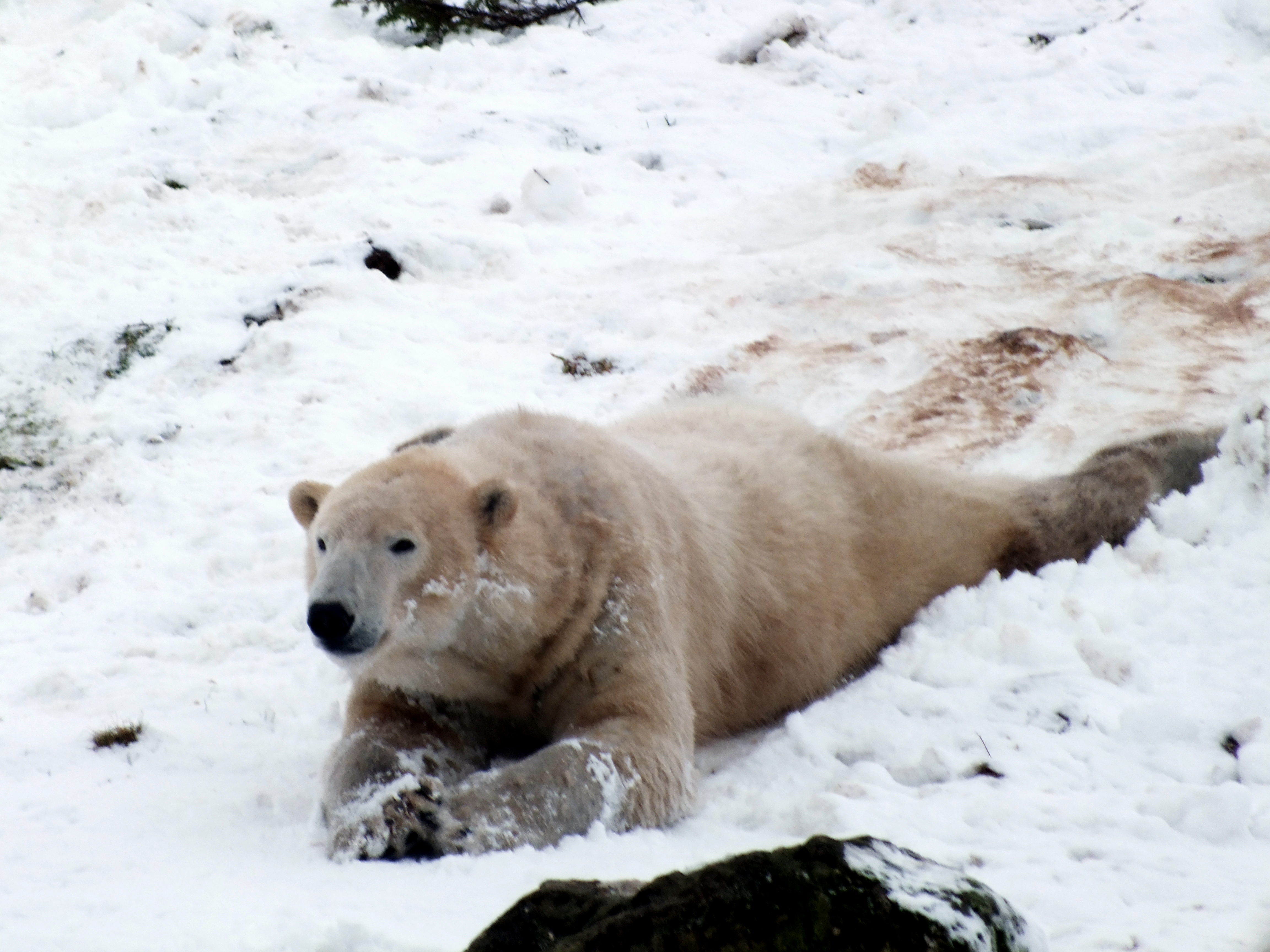 “In your informed opinion, do these animals appear to have a good quality of life in captivity?
Is the enclosure and social grouping appropriate?”
“In your informed opinion, do these animals appear to have a good quality of life in captivity?
Is the enclosure and social grouping appropriate?”
These are the questions that we have to ask ourselves in order to understand what constitutes good welfare in captive animals. We must find a way to successfully assess and measure welfare. This is not always an easy task due to wide ranges of species and their varying needs, as well as the consideration of the unique needs of each individual. However, in more recent years, science-based assessment of animal welfare in captive animals has benefited from increased and research into consciousness, emotions, stress and pain.
 In the past, the Five Freedoms of Animal Welfare have successfully acted as a foundation, defining and underpinning fundamental animal welfare standards and considerations. However, past focuses have been on negative experiences and minimising distress.
Recent concepts have led to the consideration of positive factors and the development of various positive welfare measures. This encourages the management of animals to promote positive experiences and mental states.
In the past, the Five Freedoms of Animal Welfare have successfully acted as a foundation, defining and underpinning fundamental animal welfare standards and considerations. However, past focuses have been on negative experiences and minimising distress.
Recent concepts have led to the consideration of positive factors and the development of various positive welfare measures. This encourages the management of animals to promote positive experiences and mental states.
The model of the Five Domains of Potential Welfare Compromise has evolved since its original development and illustrates how compromises in an animal’s nutrition, environment, health and behaviour can all impact upon its mental state.
These five domains may overlap and have combined effects on the overall welfare status of an individual animal and thus 'The Five Domains’ concept can serve to offer a useful framework for the broad assessment of animal welfare.
Test your self on the activity below, to see the pictures better you may wish to zoom in closer. (Ctrl and scroll with your mouse)