
Zoo nutrition differences (Starter activity)
Eating is one of the most important things keeping us alive. We need to eat every day to survive! We also need to pick food that will give us what we need to be the healthiest we can be. What can happen if you don't get a balance a nutritional diet?
It is important that a correct, good quality diet and that fresh water is provided daily. The diet provided for a captive animal is an integral part of that animals' welfare, health, and happiness. It is the zoo’s role to ensure a suitable and nutritionally balanced diet is given to all animals.
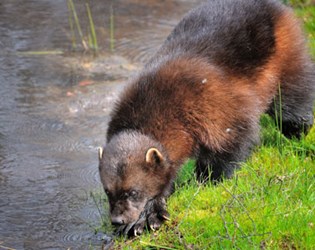
Clean and fresh water, should be presented in an accessible manner. Water is the most essential nutrient for any animal. It is important to remember that water sources can easily become dirty, sometimes on a microscopic level. Therefore water should be change regularly, even if it looks clean.
A lack of water not only leads to health problems but can cause unnecessary distress. Without appropriate food, or access to clean water, an animal may become at risk to hunger, disease and ill health or dehydration.
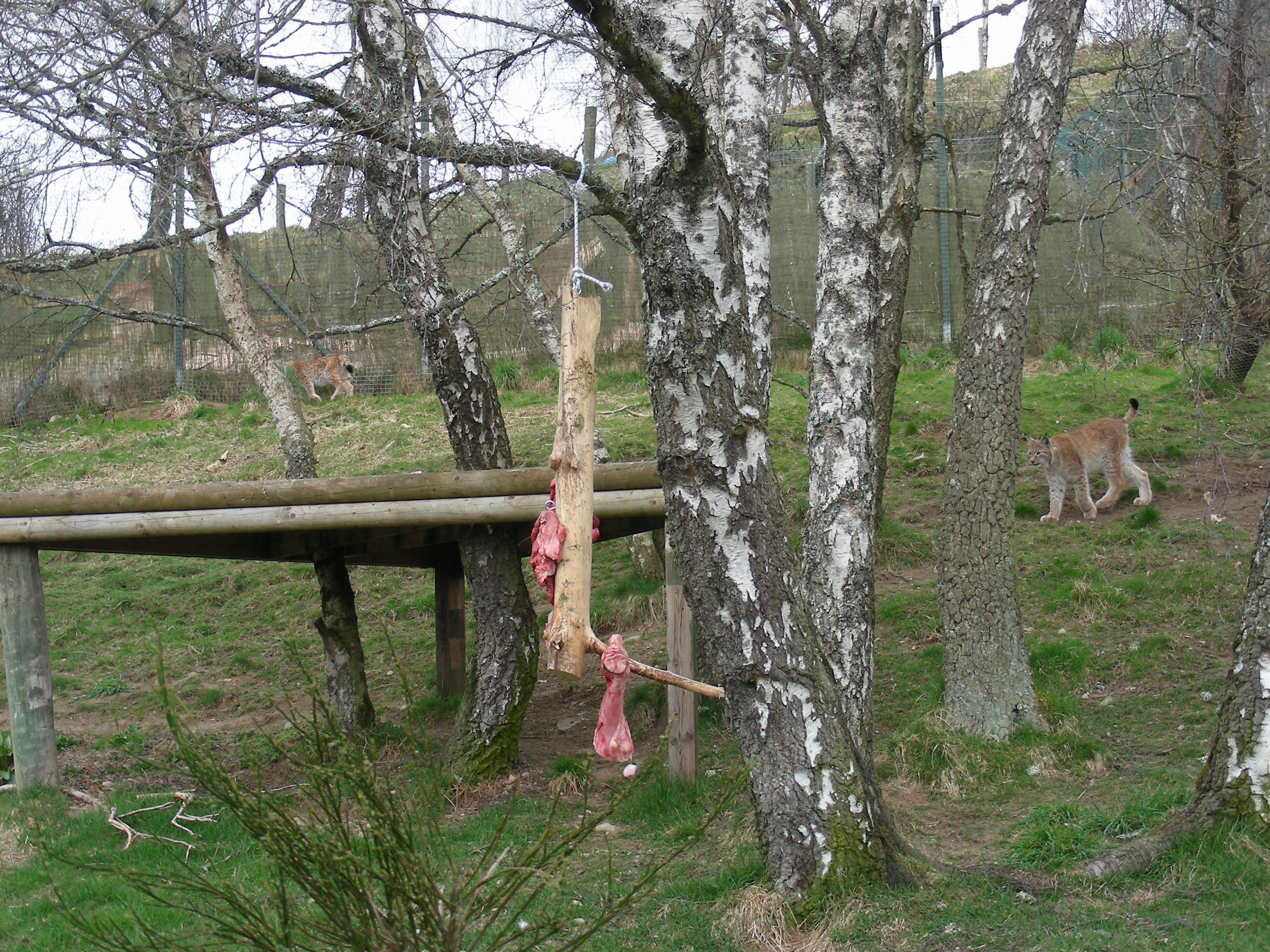
A nutritionally balanced diet is necessary to maintain good health and meet the biological requirements of the animal. Poor quality food can cause an animal to experience poor physical health which can lead to poor mental well-being. A diet which is unsuitable, reduced in quantity or is an nutritionally poor will lead to hunger. Resulting in more aggression to each other and greater risk to injury and reduced healing. This can also have a negative effect on the overall welfare of the entire group.
Can you Identify the species and then find the matching animal to find out what is their zoo diet?