
Preparing for an interview!
What could I do to prepare for an interview?
Excellent! Your CV has been sent and then - congratulations - they would like to give you an interview. But how do you prepare if you have never had a real interview before?
Here are some tips for preparing for an interview
in the UK. Remember, don't leave it to the last minute. Make sure that you:
- Research the company: Learn about the company's culture and what the role involves. Research the company's website and social media.
- Review your CV: Refresh your memory on the details you included in your CV, such as your skills and achievements. Interviewers may ask questions based on what they see on your CV.
- Read your email and information: Your potential employer will have contacted you to offer you an interview, probably via email. Read this thoroughly. Have they asked you to prepare a presentation (this will vary with job roles) or do something to demonstrate your skills? Make sure you are ready for the interview.
- Prepare questions: Prepare a few questions to ask at the end of the interview to show your interest in the role. This always looks good if you have interesting and relevant questions about the role or the company. Generally, don't ask about overtime rate or number of holidays if that information is easily available to find yourself. It doesn't look professional and it can cast doubt on what your priorities are in applying for the position.
- Practice: Practice speaking slowly and clearly in front of a mirror or with friends and family. If you are nervous, you might rush and get confused. Take it easy and be relaxed (but not asleep). It is normal to be nervous and you won't get penalised for nerves. How you handle being nervous can say a great deal about your character too.
- Dress appropriately: Dress professionally for the job and consider the company culture. You can also bring a backup outfit or a change of shoes in a bag. You might need to walk around, so be prepared. It is better to have and not need, than need and not have!
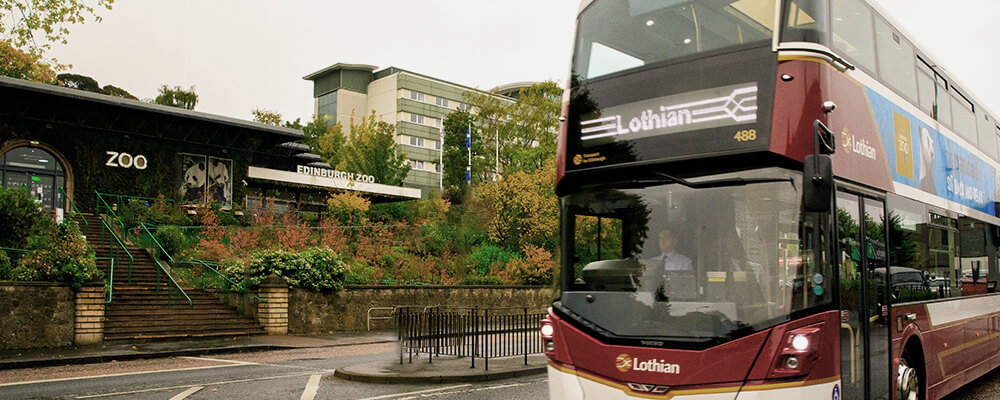 Plan your route: Know where the interview is and
how to get there. You can take a practice run if you're not
familiar. If you need a lift, ask a friend or family member and see if they can
wait outside or in the car while you have the interview.
Plan your route: Know where the interview is and
how to get there. You can take a practice run if you're not
familiar. If you need a lift, ask a friend or family member and see if they can
wait outside or in the car while you have the interview.- Be on time: Arrive early (10-15 mins) before your interview and allow for potential traffic or delays. It is less stressful to "waste time" at a café close to your interview location if you arrive 30 minutes early, than find yourself rushing or running late because you underestimated the travel time.
- Make a good impression: Show that you're prepared and happy to be considered for a role in their business. Thank them for taking the time to see you and have a positive attitude.
- Be aware of body language: Don't underestimate the importance of body language. It helps us to interpret other peoples' moods and emotions. Moreover, it enhances our conscious understanding of people's reactions to what we say and how we say it.
- Consider others: Assume that everyone you meet that day is part of your interview. Interviewers are not just on the panel. Many businesses will ask the admissions team or the receptionist "what did you think?", how did you interact with other people within the business.
The questions will vary depending upon the type of job you are going for, and the level of that job. Remember you’re not going to become the CEO or Director of a business in your first interview. You will have to build up to that - if that is what you want!
Your next task: answer these true or false questions.