
What is conservation?
What is conservation in zoos?
A conservation zoo is a zoo that contributes to the in-conservation efforts in order to protect endangered species and restore habitats (when possible). Conservation zoos use a variety of methods to help with conservation, including:
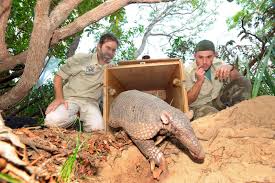 Captive breeding: Zoos can breed animals in captivity
in order to help save various species via studbooks
and breeding programs.
Species reintroduction: Zoos can reintroduce animals back into the wild after breeding them in captivity. The Royal Zoological Society of Scotland uses captive breeding to reintroduce species into the wild, including wildcats and scimitar-horned oryx.
Research: Zoos can conduct research to help with conservation
efforts as they can support across many disciplines from conservation biology
to social studies. RZSS WildGenes is a cutting-edge conservation genetic and genomic research on a large range of threatened species. 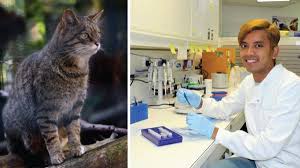 The WildGenes laboratory facilities are based at Edinburgh Zoo and is the only zoo-based conservation genetics lab in the UK. Their projects are centre on in-situ monitoring, ex-situ management, reintroduction management and tackling the illegal wildlife trade.
Public engagement: Zoos can engage and educate the public to promote awareness and stewardship of the world around them. RZSS engages visitors via;
- Educational experiences: Zoos offer interactive learning programs and interpretation to help visitors learn about animals and the environment
- Entertainment: Zoos can be a fun place for visitors to spend time with friends and family
- Conservation promotion: Zoos can promote conservation efforts and raise awareness about endangered species for example on their website.
Fundraising: Zoos can use fundraising events and schemes to support conservation efforts either for themselves directly for their projects and programmes or by charitable contributions via for example BIAZA.
Animal welfare and conservation is at the heart of what RZSS do.
By 2030 RZSS will reverse the decline of at least 50 species – from pine hoverflies and wildcats in the Cairngorms National Park to giraffes in Uganda, giant anteaters in Brazil and many more. This document outlines how we will evidence the species recovery process.
Our work with beavers, pine hoverflies and wildcats is just the beginning for native wildlife, and our longstanding collaboration with the Budongo Conservation Field Station in Uganda is a prime example of our global conservation work.
In our conservation genetics lab, RZSS WildGenes, our team of experts use genetic data to generate conservation action for threatened species across the globe. By working collaboratively and sharing valuable genetic tools and data, we aim to provide long-term conservation management.
For more information about RZSS Governance follow this link.