
Types of adaptations
An adaptation area features of an animal that improves its chances of it surviving and/or reproducing (having babies).
Animals are generally well adapted to the conditions of the environment in which they live.
There are three different types of adaptations:
Physical (or Structural) Adaptations, these are features of an animal's body.
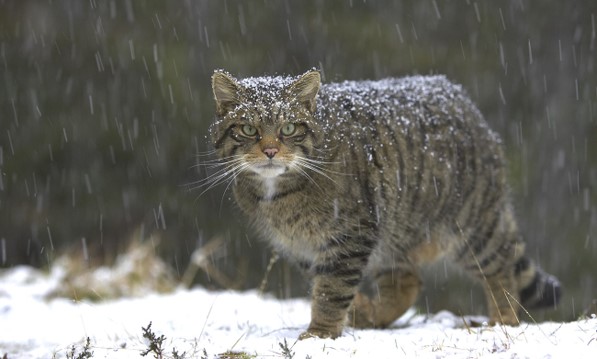 Examples:
- A turtle's shell for protection.
- A bird's wings for flight.
- A deer's fur to stay warm in cold weather.
- A fish's gills for breathing underwater.
Physiological Adaptations, these are changes to an animal's internal body functions.
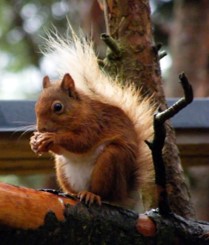 Examples:
- A camel's ability to conserve water in a desert
- A skunk's ability to spray a foul-smelling liquid for defence.
- Venom in snakes to stop prey.
- Kangaroos lick their forearms, and the resulting evaporation of saliva helps to cool their bodies.
Behavioural Adaptations, these are changes to an animal's actions or behaviours.
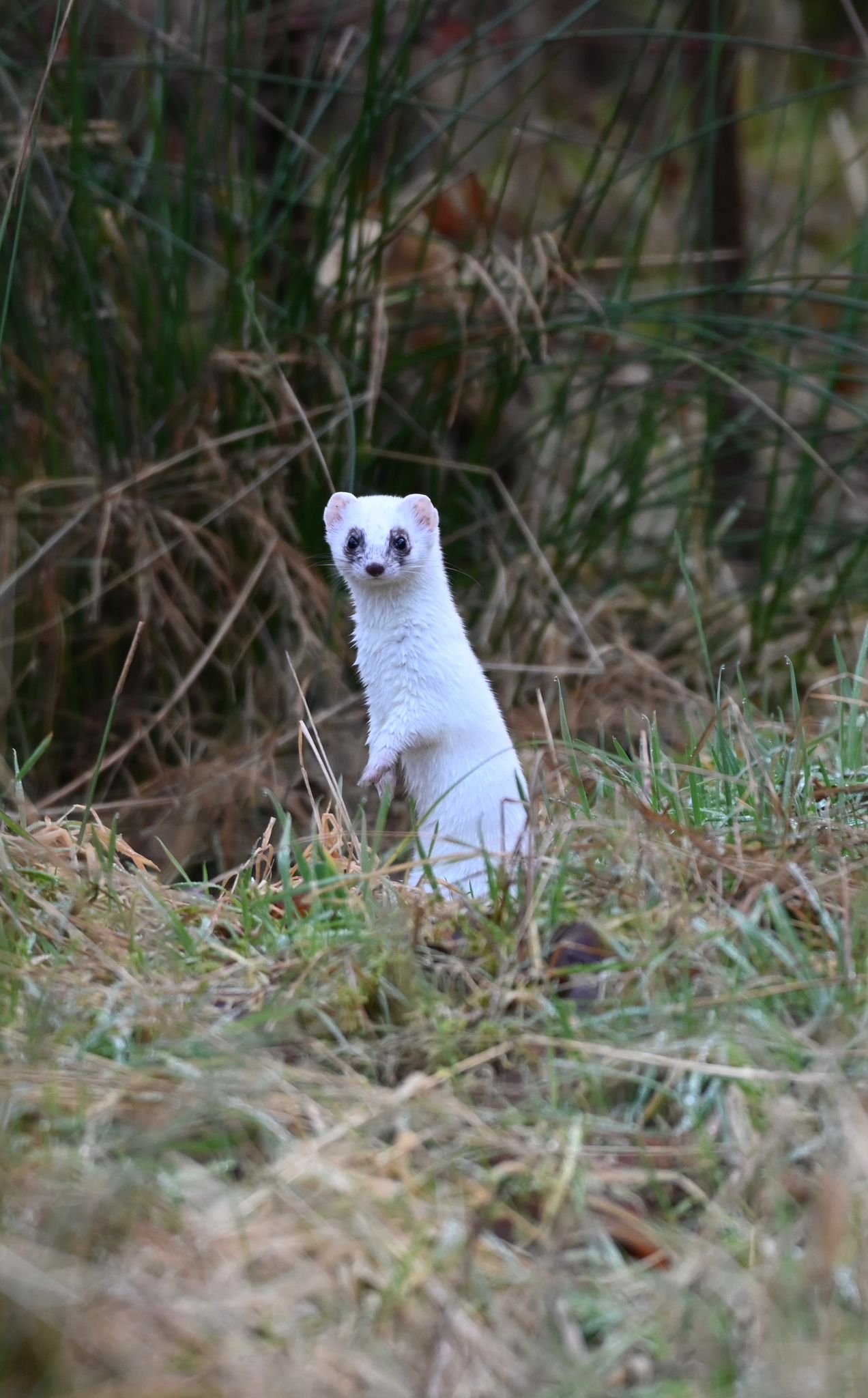 Examples:
- Hibernation, where animals sleep through harsh winter conditions.
- Migration, such as birds traveling to warmer climates for the winter.
- Spiders instinctively building webs to catch food.
- Wolf pups learning hunting techniques from their parents.