
RZSS WildGenes
If you did not manage to extract DNA from a piece of fruit you can follow these direction and complete the experiment with your class at school.
What is DNA?
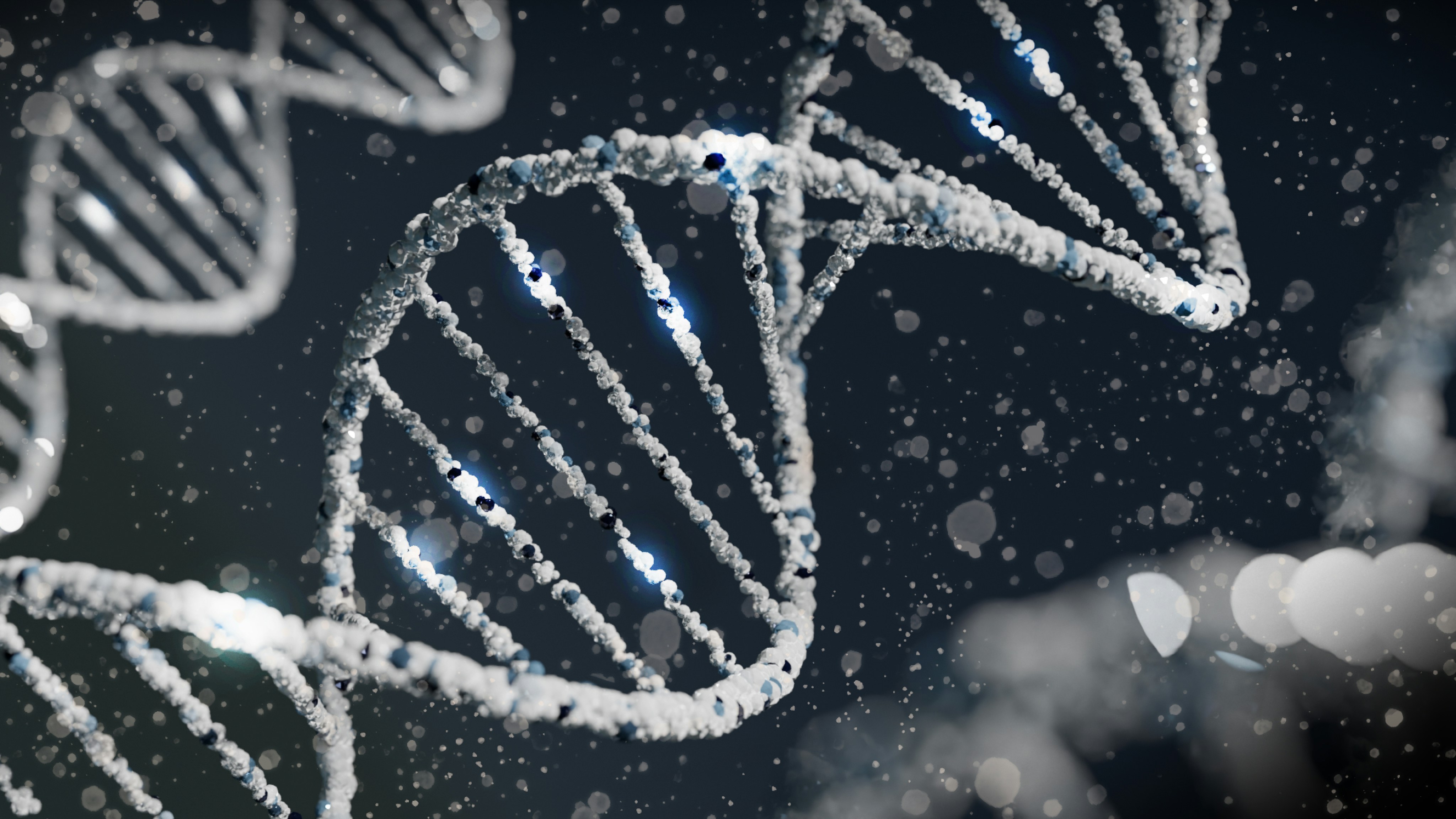 DNA or
deoxyribonucleic acid is like the set of genetic blueprints in every cell. It is
responsible for building and running a living thing, or like a recipe for
making all living things.
DNA or
deoxyribonucleic acid is like the set of genetic blueprints in every cell. It is
responsible for building and running a living thing, or like a recipe for
making all living things.
The DNA molecule has a special shape called a double helix, which resembles a twisted ladder.
The rungs of this ladder are made from four types of chemicals called nucleotides.
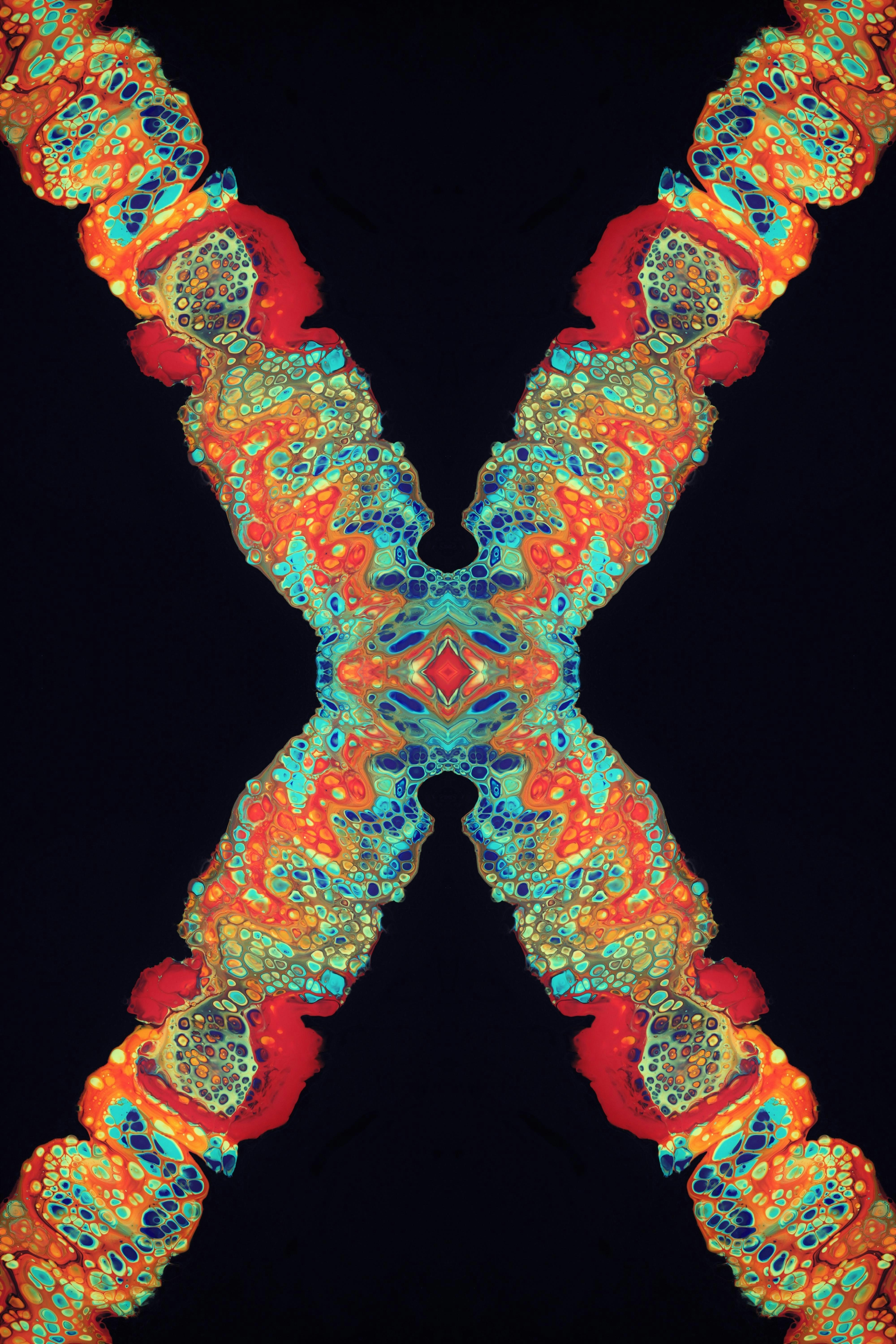 Sections of this DNA are called genes, which contain the information for specific traits, such as fur colour. Every animals inherits DNA from their parents, making it unique to each individual.
A gene is a specific section of this DNA that carries the instructions for a particular characteristic or protein. Chromosomes are structures (X shaped) made of tightly coiled DNA found in the nucleus (cell control centre) of cells, carrying many genes (which contain the instructions that determine an organism's characteristics).
Importance of DNA in conservation
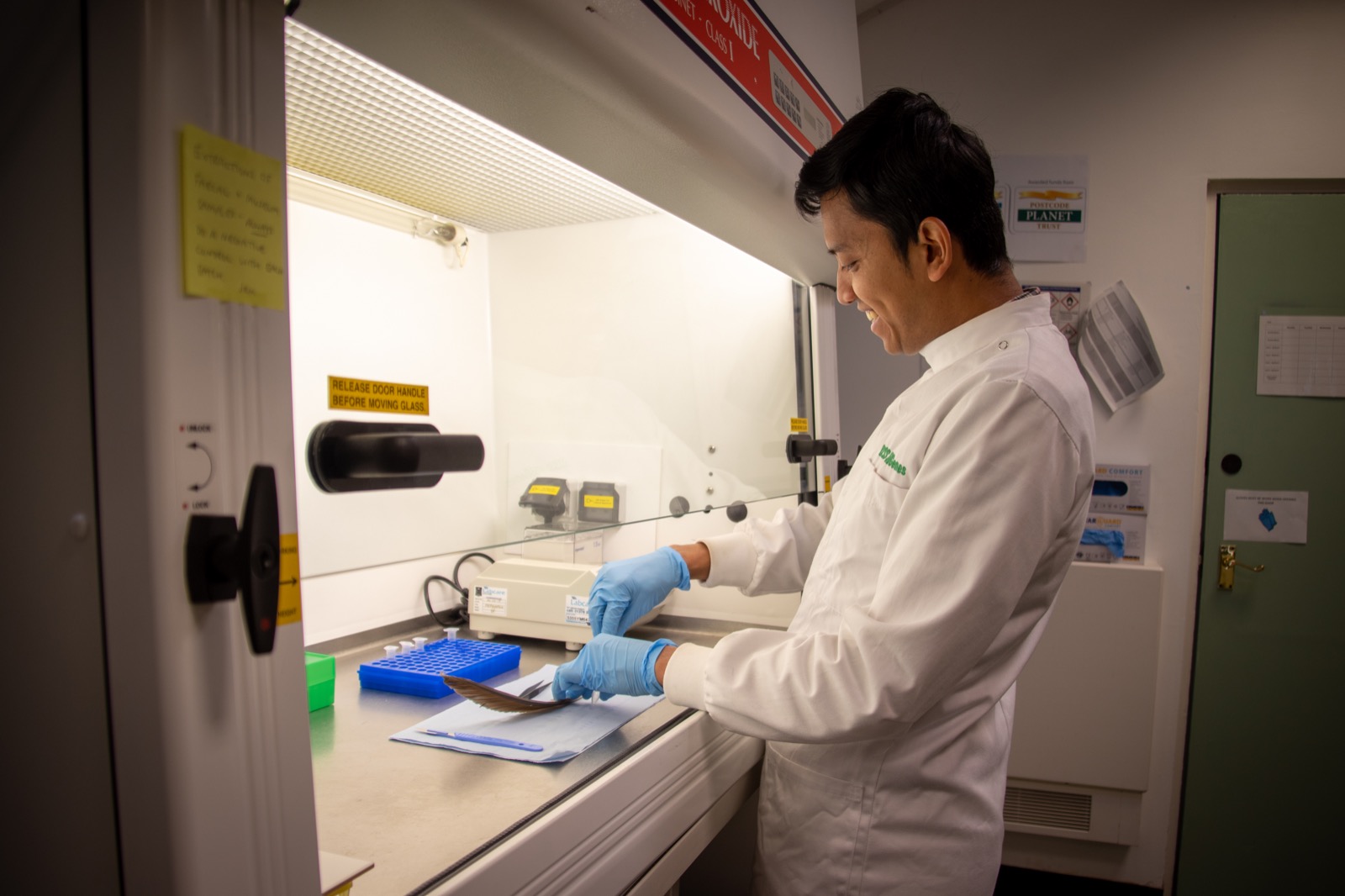 DNA is very important
in conservation because it reveals a species' genetic identification and population structure.
DNA is very important
in conservation because it reveals a species' genetic identification and population structure.
It allows scientists to understand genetic diversity (mixing of genes) over time, informs conservation strategies in order to protect against extinction, monitor populations non-invasively (via hair, feather or faecal (poo) and not by just taking blood samples. This allows conservation organisations to see what animals are in the biome and or who is eating whom.
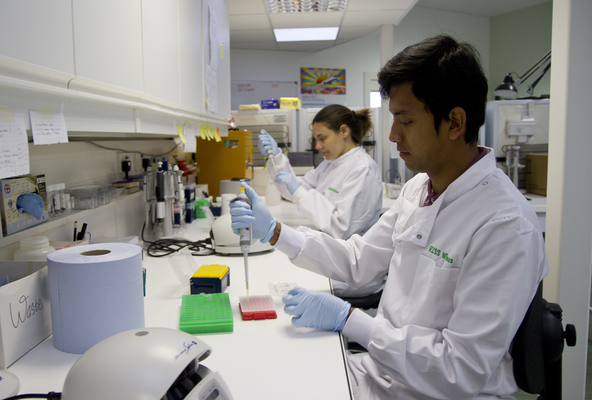 RZSS WildGenes
One of the RZSS projects is on the conservation of tigers. RZSS has its WildGenes laboratory to run genetic analyses on tigers, including Sumatran tigers and Amur tigers. This work focuses on supporting conservation efforts in the wild by, for example, developing genetic tests for tiger scat to identify prey species and better understand human-tiger conflict in Nepal. The RZSS also supports the Amur tiger endangered species breeding program and acts as a bridge between zoo-based conservation techniques and wild populations.
When you book this session, we will extract DNA from a strawberry and learn how RZSS uses this technique to help conserve animals in the wild.
Practical - Extraction of DNA from living material
Aim
In this practical session you will extract the DNA from fruit – Kiwi, Strawberries, and Banana all work well, methods may vary depending upon the fruit, please check on line for other detailed instructions.
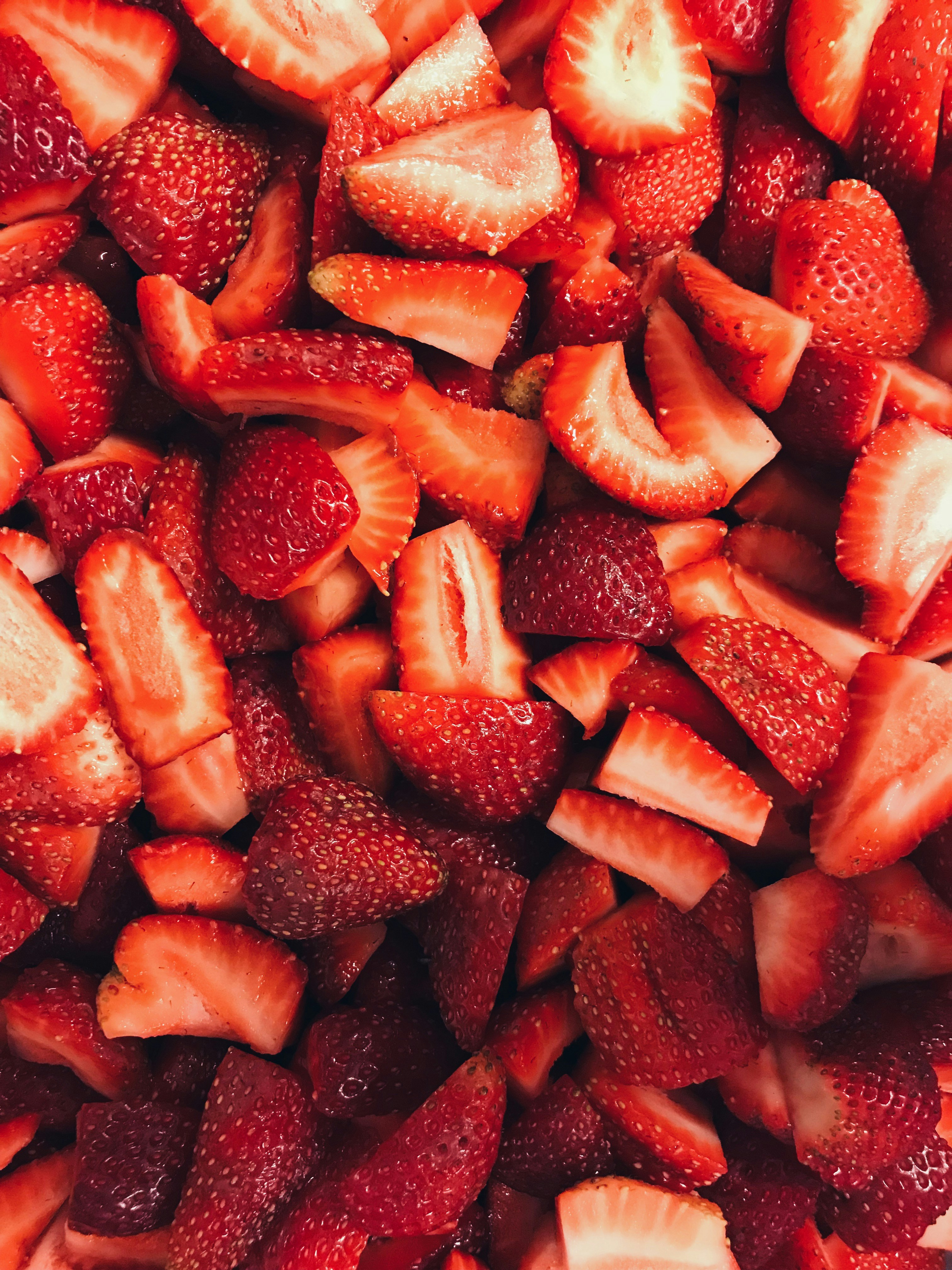
For this experiment we will be using strawberries.
Strawberries can have up to eight copies of each chromosome and so contain a lot of DNA. When extracted from the strawberry this amount of DNA means it is visible to the naked eye as white threads.
Method
 Steps to
Extract Strawberry DNA
Steps to
Extract Strawberry DNA
- Mash the strawberries:
Place a few strawberries in a resealable bag and crush them to break the cell walls.
- Prepare the extraction liquid:
Mix water, dish soap, and salt in a cup. The salt helps the DNA strands clump together.
- Add extraction liquid:
Pour the liquid into the bag with the mashed strawberries and mix to further break down the cells.
- Filter the mixture:
Strain the mixture to remove larger cell debris, leaving the DNA dissolved in the liquid.
- Add alcohol:
Carefully add cold rubbing alcohol to the filtered liquid. The alcohol causes the DNA to precipitate out of the solution.
- Observe the DNA:
The DNA will appear as a whitish, cloudy, stringy substance at the interface between the alcohol and the strawberry solution layer. You can even collect it with a wooden skewer.